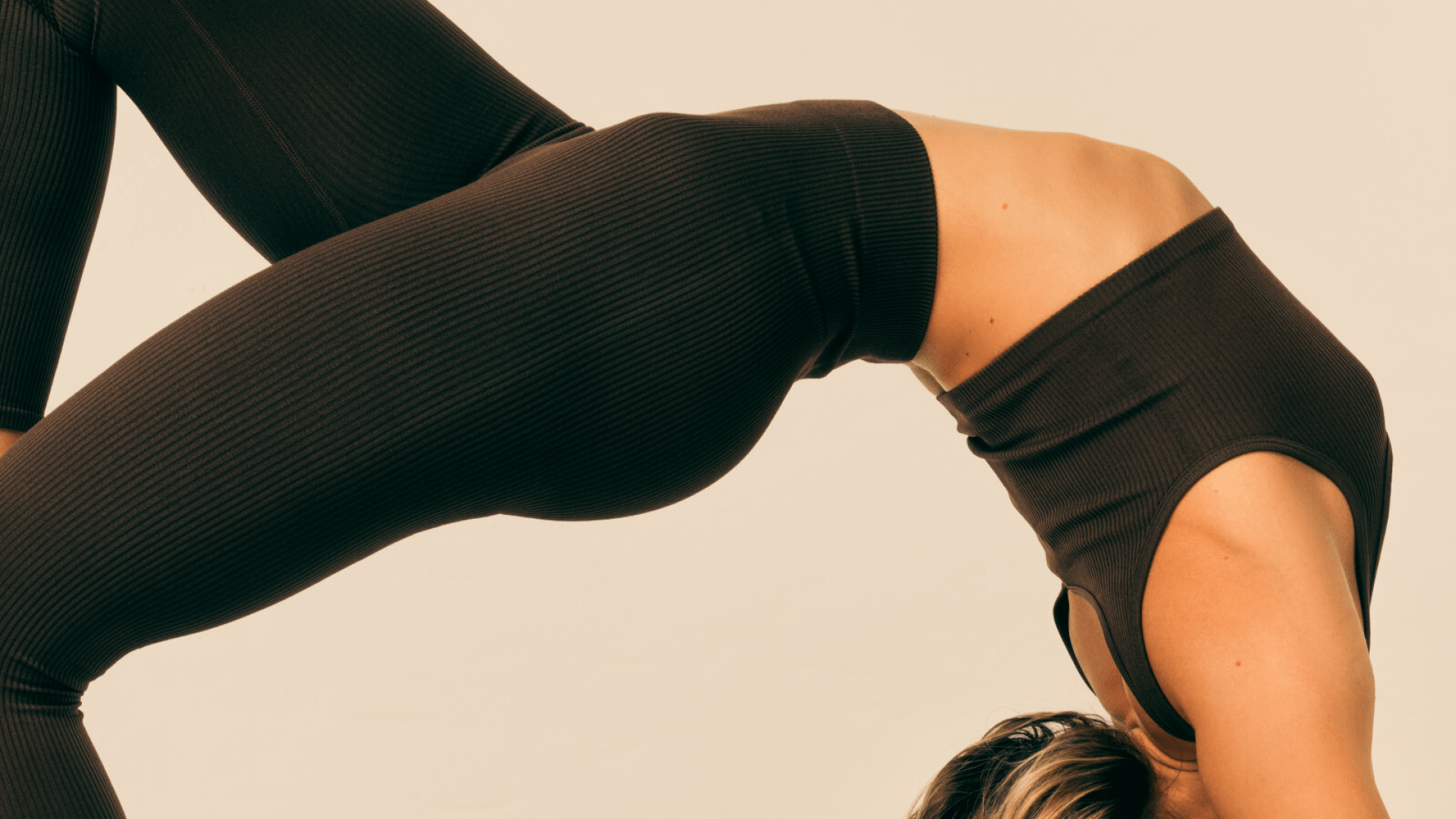
Harvard Health confirms: Pilates is the quiet power move
There is a certain kind of strength that does not announce itself. It does not clang weights across a gym floor or leave you gasping by the water cooler.
It arrives slowly, through breath and precision, through a hundred small corrections that add up to something like grace. This is the strength Pilates has always promised. And now, medicine is catching up to what the mat has known for a century.
Harvard Health Publishing, the editorial arm of Harvard Medical School, has taken a long look at Pilates and older adults, and the verdict reads like a permission slip written by science itself. The practice, they note, is once again having a moment: nearly 12 million Americans tried Pilates in a single recent year, a 15 percent jump from the year before. But this is not a trend built on hype. It is a return to something enduring.
The case, according to Harvard
In their piece “Pilates: A good option for older adults?”, reviewed by Dr. Lauren Elson of Harvard Medical School, the benefits are laid out with characteristic clarity: improved flexibility, better balance, and real gains in strength, particularly through the core, the deep architecture of muscle that holds the body together and lets it move well.
The article is careful, too, about safety and adaptation, a reminder that Pilates was never meant to be a young person’s exclusive club. It was built by Joseph Pilates as a system for the whole body, at any stage of life, and it seems the research is finally giving that idea its due credit.
The quiet logic of control
What makes this practice age so well is the same thing that made it unfashionable for decades in favor of louder workouts. Pilates has no interest in exhaustion for its own sake. Every movement asks a question first: can you control this, slowly, with intention, before you add speed or resistance. That question becomes more valuable, not less, as the years go on.
A stronger core is not vanity. It is the difference between a body that moves with ease through its decades and one that begins to guard itself. Better balance is not a nice-to-have. It is protection, quietly built session by session, long before you ever need it. This is the part of aging well that rarely gets the glossy treatment: not the dramatic transformation, but the unremarkable, compounding discipline of showing up for the boring, precise work.
The takeaway
Pilates has always looked effortless from the outside, which is precisely the trick of it. What looks like a slow, controlled movement on the reformer or the mat is, underneath, one of the more sophisticated forms of self-maintenance available to us. Harvard’s research simply confirms what practitioners have long felt in their own bodies: that this practice rewards patience, and that its returns compound with age rather than fade with it.
Some things get louder with time. This one gets quieter, and stronger.
.png)
.png)