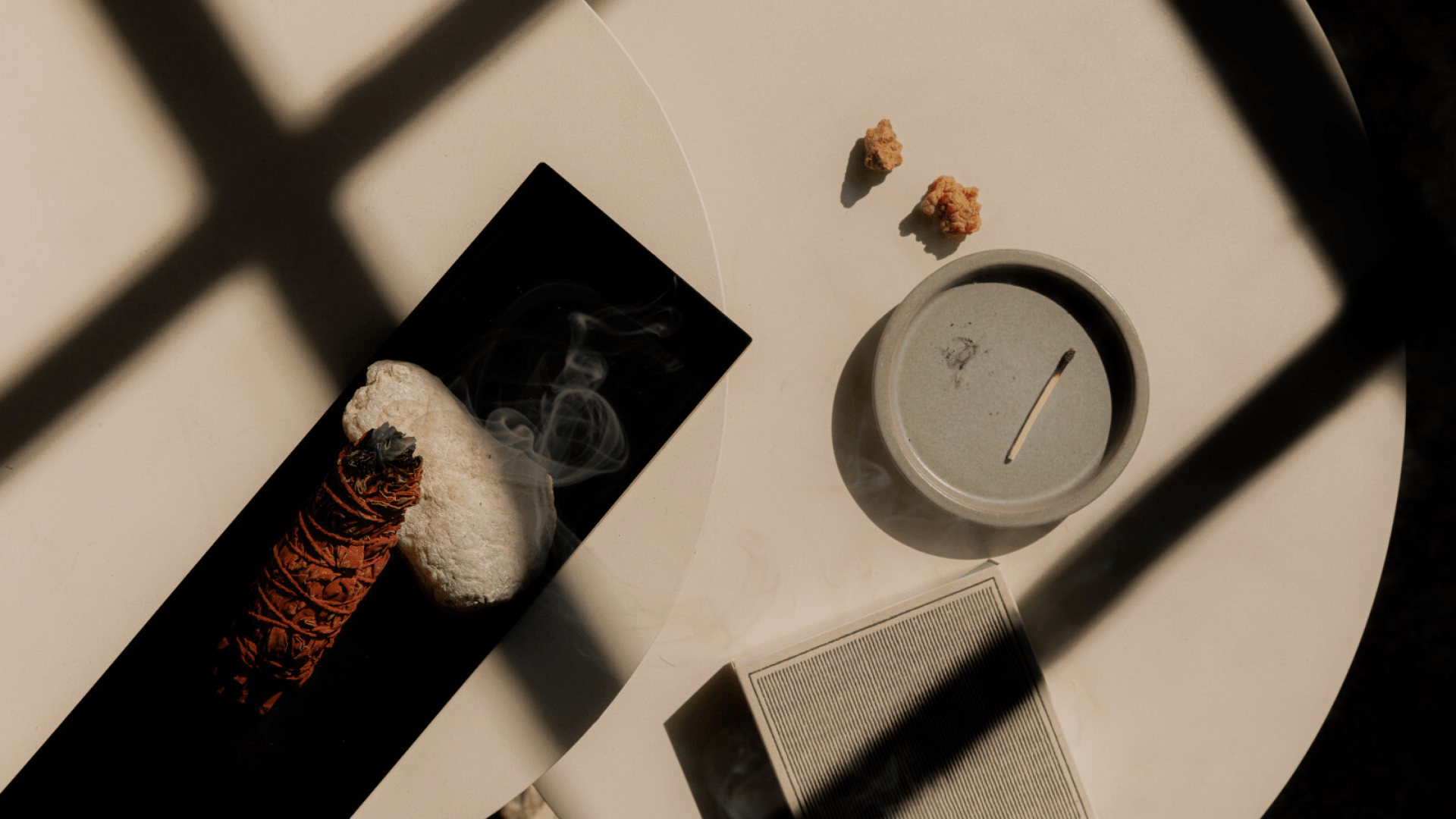
Incense, Reconsidered
From a cheap college dorm stereotype to a deliberate sensory ritual—how natural incense quietly reclaimed its space from candles and why the quality difference is unmissable.
For most of the last fifty years, incense in the West carried a fairly specific set of associations, and none of them were flattering. Student housing. Head shops. A cheap stick of something sweet burned to cover up something else. It was the least serious way to scent a room, which is roughly why the people who cared about scent had moved on to candles by the 1990s and stayed there.
That has quietly reversed. Aesop now sells incense manufactured by a Japanese atelier alongside a sculptural bronze holder, and it is far from alone. Robb Report described the shift as part of a broader turn toward tactile design and sensorial pleasure, arriving at the same moment as renewed interest in handmade goods, natural materials, and finishes like limewash. Incense fits that mood almost too neatly. It is handmade, it is imperfect, it leaves ash behind, and it cannot be automated or plugged into a wall.
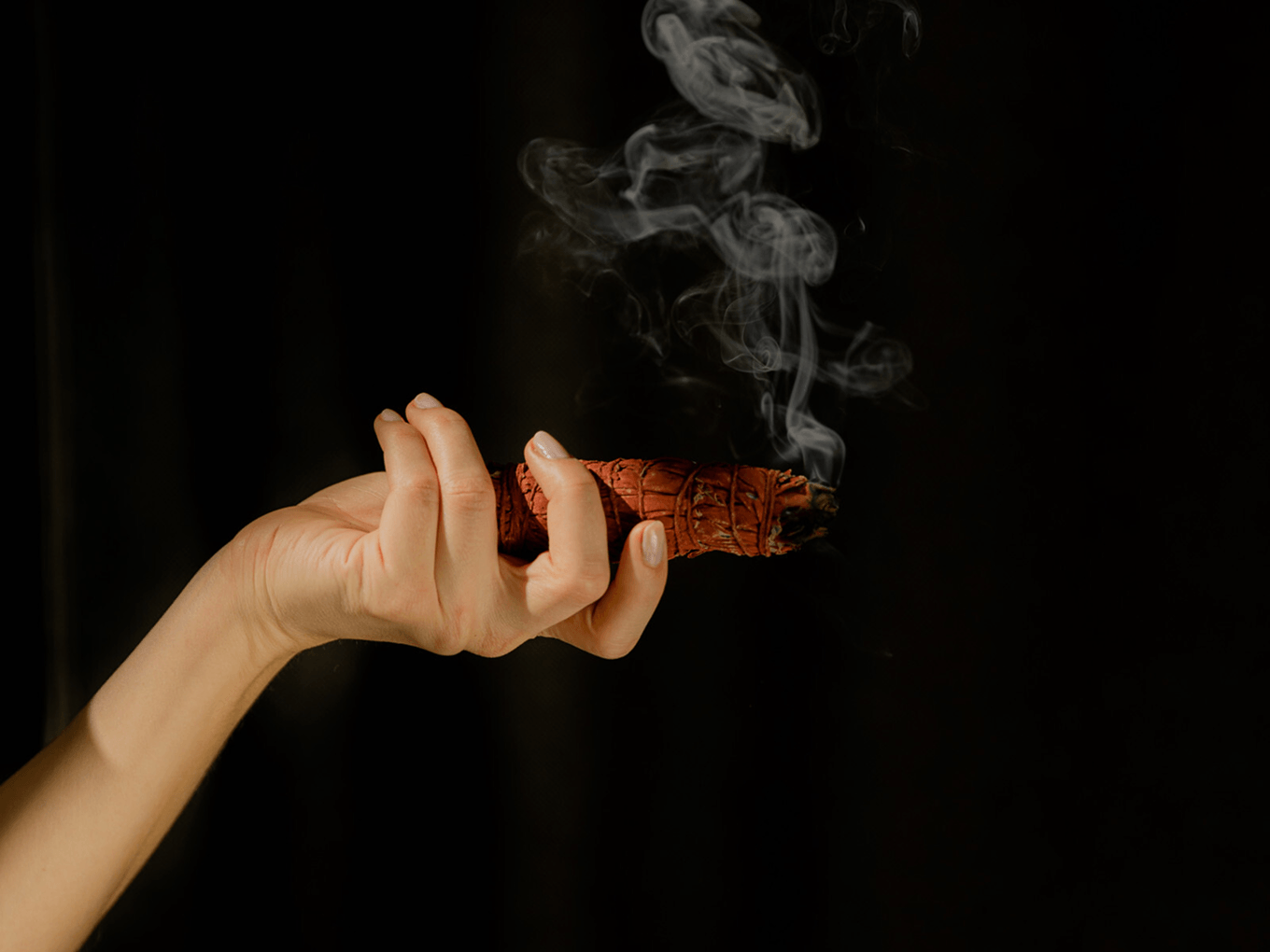
The temptation is to read this as pure status signalling, and some of it obviously is. A twenty euro box of incense sticks is doing work that has nothing to do with how the room smells. But the more interesting explanation is less cynical, and it has to do with what a candle actually is compared to what incense actually is.
A candle is furniture. It sits on a table, it produces scent continuously, and it asks nothing of the person who lit it. Incense is closer to an event. It has to be lit deliberately, it burns for a fixed and fairly short period, and then it is finished. You cannot leave it running in the background for an evening. The commitment is small but it is real, and there is a growing appetite for exactly that kind of commitment, small rituals that require a decision rather than a purchase.
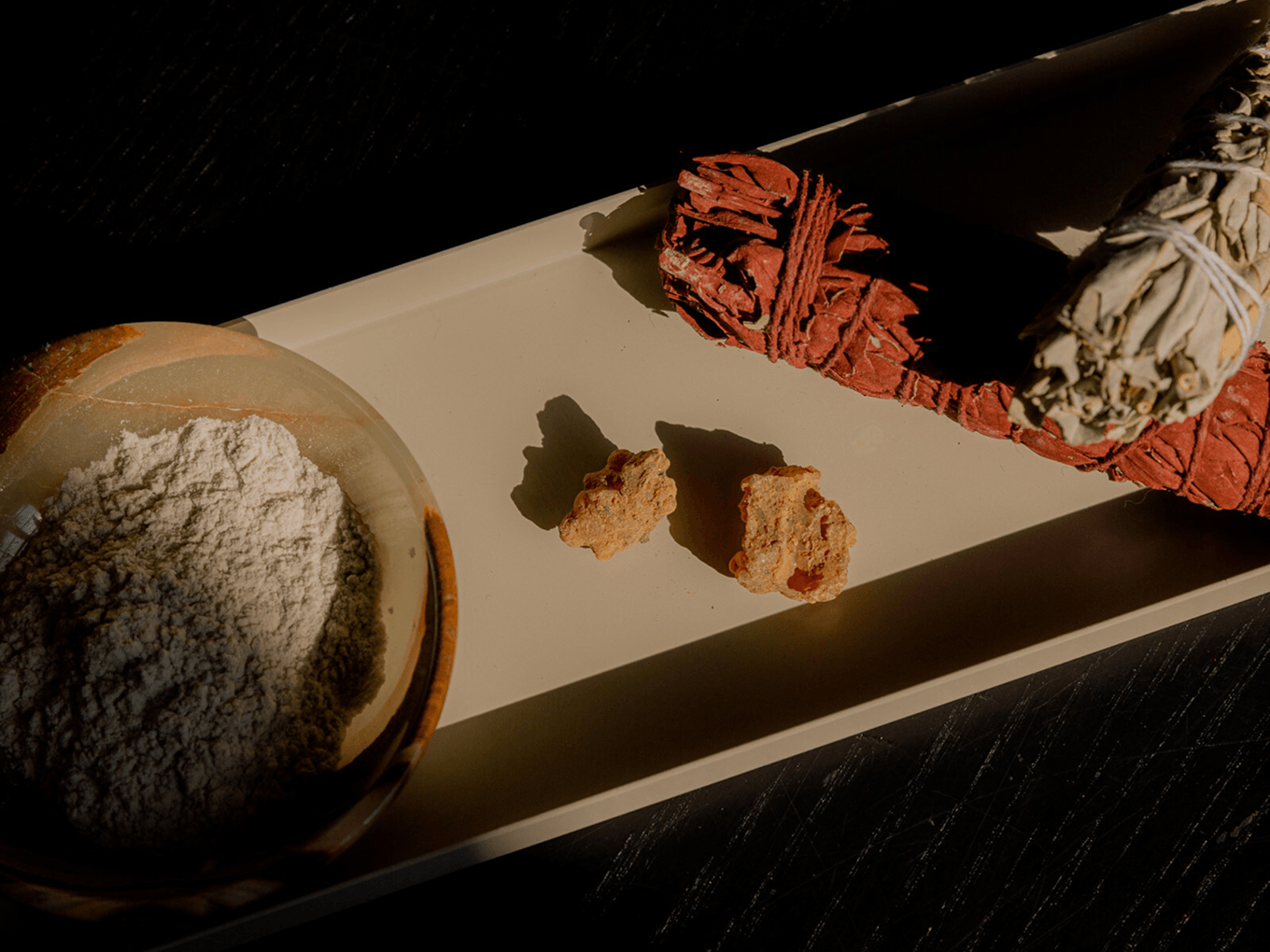
This is also where the class anxiety around incense tends to dissolve on closer inspection. The distinction that actually matters is not price. It is whether something is made from plant material or from synthetic fragrance oil dipped onto a stick. Traditional Japanese and Tibetan incense are blended from woods, resins, herbs, and minerals, which is why they read as dry and mineral rather than sweet, and why they do not produce the cloying headache most people associate with the incense of their teenage years. That difference is perceptible within about thirty seconds and has very little to do with what the packaging looks like.
Which is to say the good taste being signalled here is mostly just accuracy. People are not discovering that incense is sophisticated. They are discovering that most of what they had encountered before was a poor version of something with a very long history behind it, and that the difference is not subtle.
White Egg, a local Belgrade brand whose incense is made traditionally in Tibet, sits on this side of the line. So does most of what is worth burning.
We keep it here for reasons that are more practical than aesthetic. A studio is a place people come to in order to change state, and scent is one of the few things in a room that works on the nervous system before anyone has decided anything. The same logic applies at home, on the evenings when there is no room to walk into and the shift has to be made some other way. That is a modest claim to make for a stick of ash and resin, and it is roughly the only one worth making.
.png)
.png)