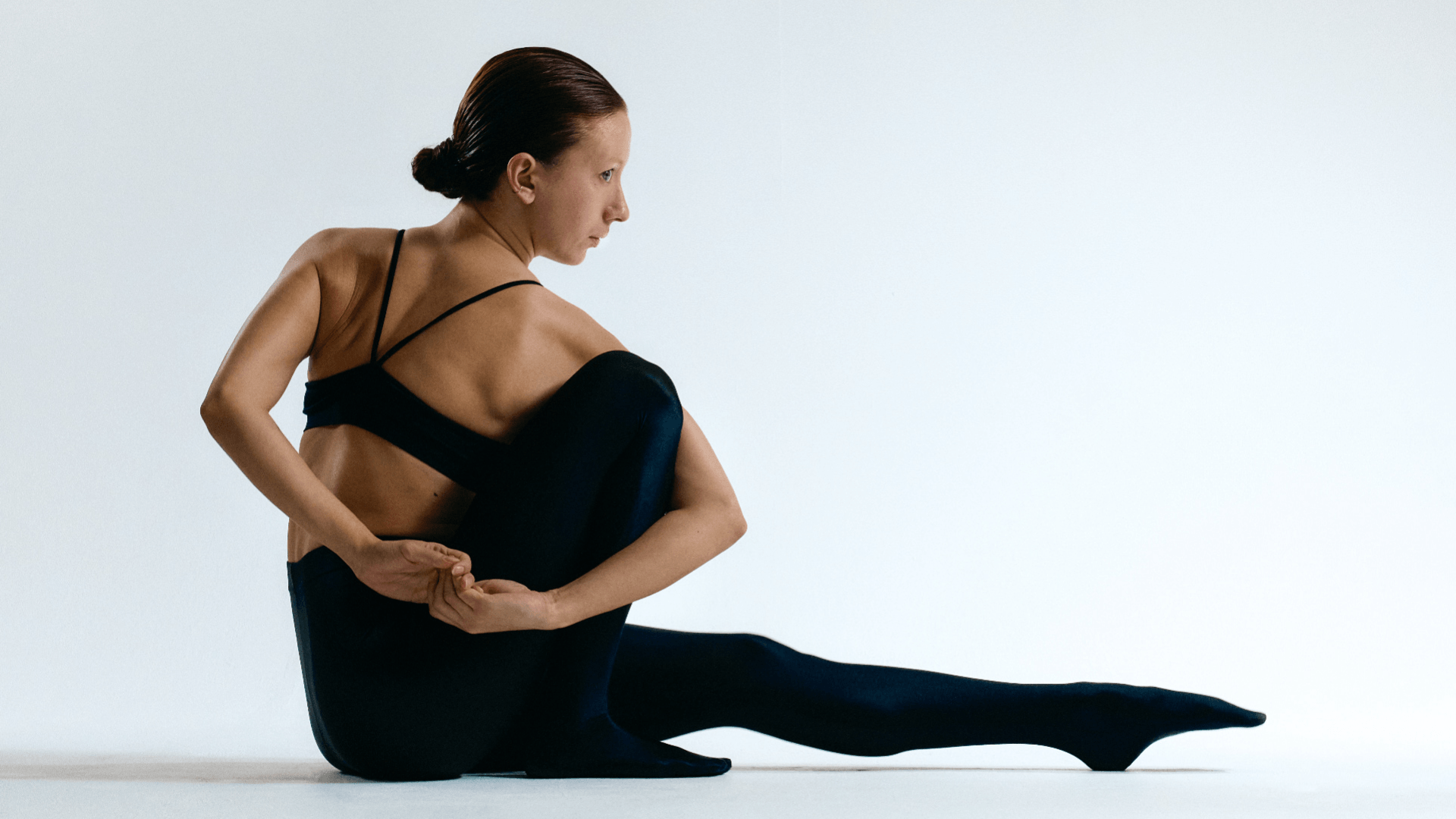
Joseph Pilates: What Contrology Was Supposed to Mean
Before it became a household name, Pilates was called Contrology—a system designed to retrain how the mind governs the body. Explore why Joseph Pilates believed attention is the true stimulus of movement, and how his original method still transforms the way we move today.
He never called it Pilates. For his whole working life the method had a different name, one he invented and used with complete seriousness, and it was the rest of the world that eventually replaced it with his surname. By the time a New York court ruled in 2000 that the word Pilates belonged to nobody, having become as generic as yoga or aerobics, the original name had been quietly retired to the back of old books.
The name was Contrology. Control, joined to the suffix you attach to a field of study. Not a class, not a routine. A discipline, in the sense that geology is a discipline.
That choice tells you most of what he was thinking. He did not believe he had assembled a set of exercises. He believed he had identified something about how a body ought to be run, and that once you understood it, the exercises would follow as a matter of course.
His definition of it, written in 1945, was the complete coordination of body, mind and spirit. Read now it sounds like the sort of thing printed on a tote bag, worn smooth by a hundred years of wellness language borrowing from it. Read in context it is a harder claim. He was arguing about authority. Who is in charge of the body, the body or the person inhabiting it.
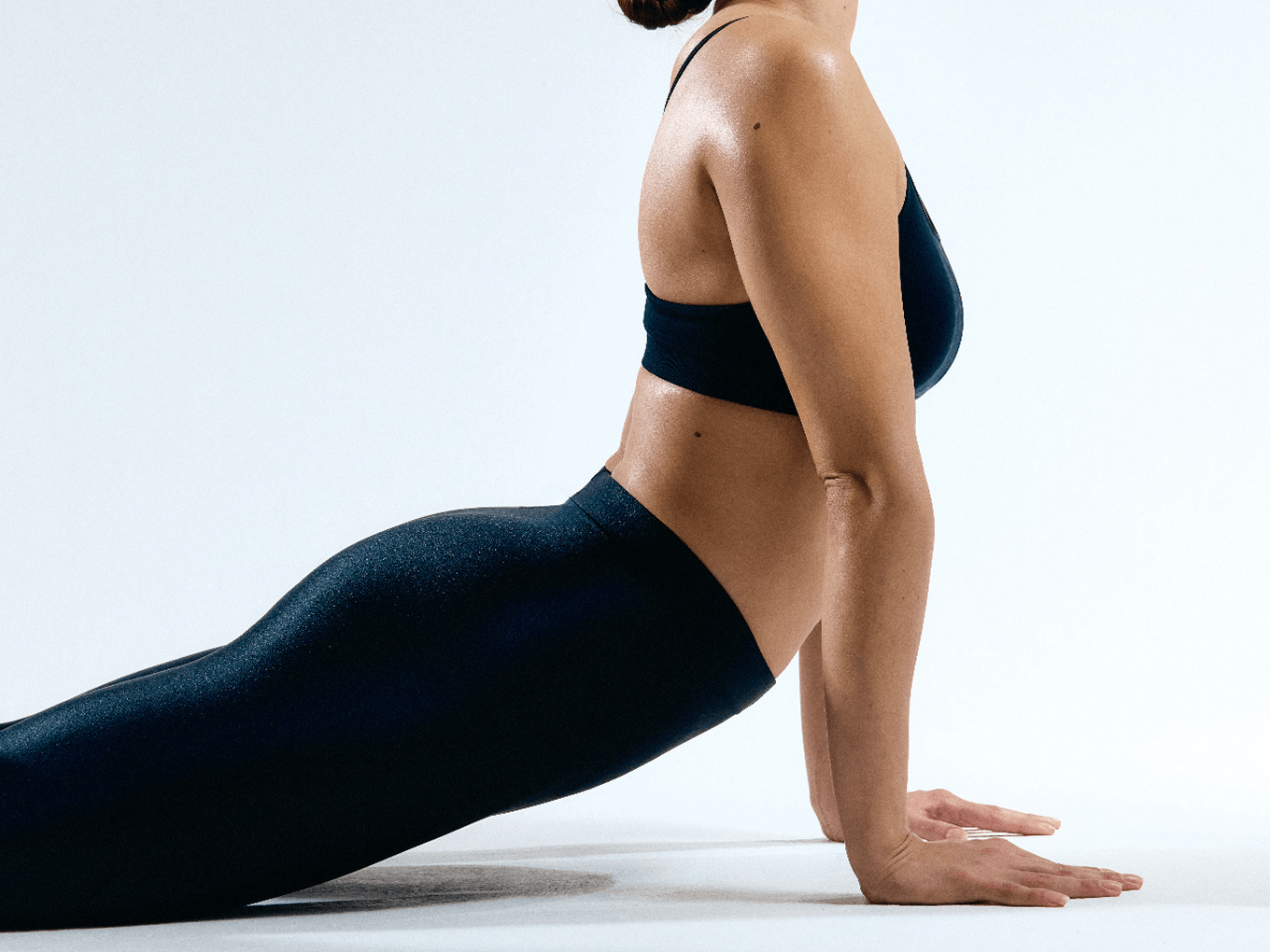
Most movement, he thought, happens without anyone deciding. The body finds the path of least effort, recruits whatever muscle is nearest and most willing, and gets the job done badly a thousand times a day until the pattern has worn a groove. Control, in his usage, was not restraint or holding back. It was the withdrawal of movement from automatic operation. Nothing careless. Nothing performed by momentum. Every action passing through the mind before it reaches the muscle.
This is why the exercises look the way they do. Ten repetitions rather than thirty. Small ranges. A pace that forbids momentum from doing any of the work. There is no version of the method that can be completed while thinking about something else, and that is not an oversight. That is the entire mechanism. The attention is the training stimulus. The movement is only the thing the attention is aimed at.
The scope he intended was much larger than an hour on a mat. His writing goes after sleep, air, bathing, shoes, the way children are made to sit at school desks. He thought modern life had produced a population that had lost the ability to inhabit its own body, and he offered Contrology as the correction. The thirty-four mat exercises he published were the smallest part of the proposal. He expected the control to leave the studio with you and govern how you stood in a queue and how you got out of a chair.
It has to be said that he was also confident about a great deal that does not survive inspection. He wrote about internal showers and blood purification with the same certainty he brought to the roll up, and some of the physiology is simply of its time. Taking him seriously means separating the parts, not defending all of it.
What survives is the central idea, and it survives unusually well. A century later, the study of how people acquire movement skill keeps arriving at the same place. Attention is what changes a pattern. Repetition without attention changes very little. The body learns what the mind was present for.

Which means the least glamorous thing that happens in a studio is the thing closest to what he was actually proposing. The instructor stops the room and repeats the same correction for the fourth week running. Someone drops a shoulder, lengthens the back of the neck, finds the ribs. Nothing visible changes. The exercise looks identical from across the room.
That is Contrology. Not the shape of the movement, but the fact that someone decided it, on purpose, rather than letting the body improvise as usual.We use the word Pilates because everyone does, and because it would be precious to insist otherwise. But the original name is more useful, because it says what the hour is for. Not a workout that happens to be slow. A study, conducted on yourself, in how to be the one making the decisions.
.png)
.png)